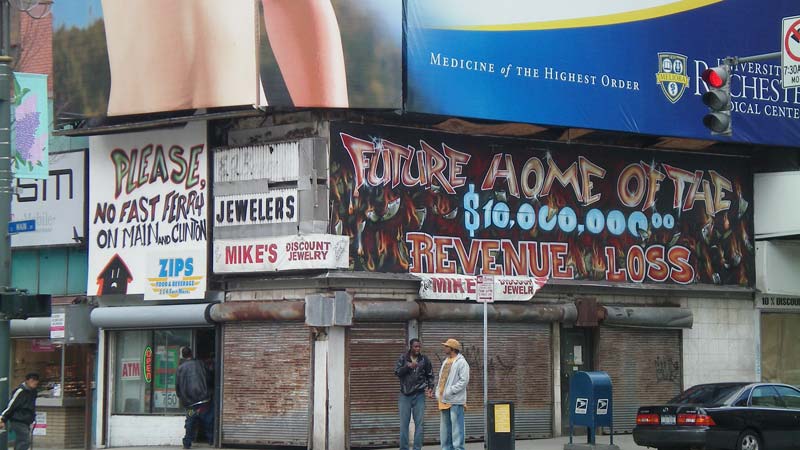
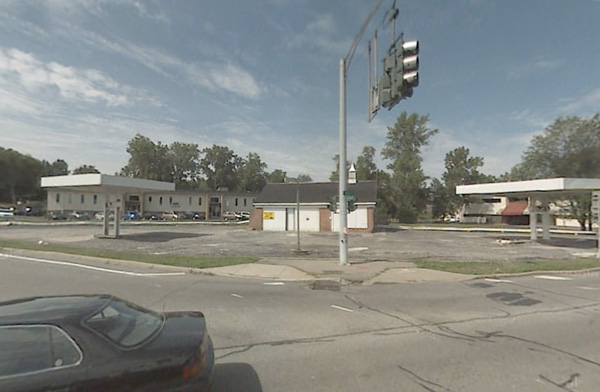
A recent story in the City Newspaper, “Glamming Rochester’s Gateways” touched on the idea that filling in part of the Inner Loop would help reconnect certain neighborhoods with downtown and improve Rochester’s eastern gateways. Then came the raging comments from readers who blindly defended the inner loop and its many blessings.
One letter sent in from James R. Boehler went like this… (more…)
To view this site, you need to have Flash Player 9 or later installed. Click here to get the latest Flash player.
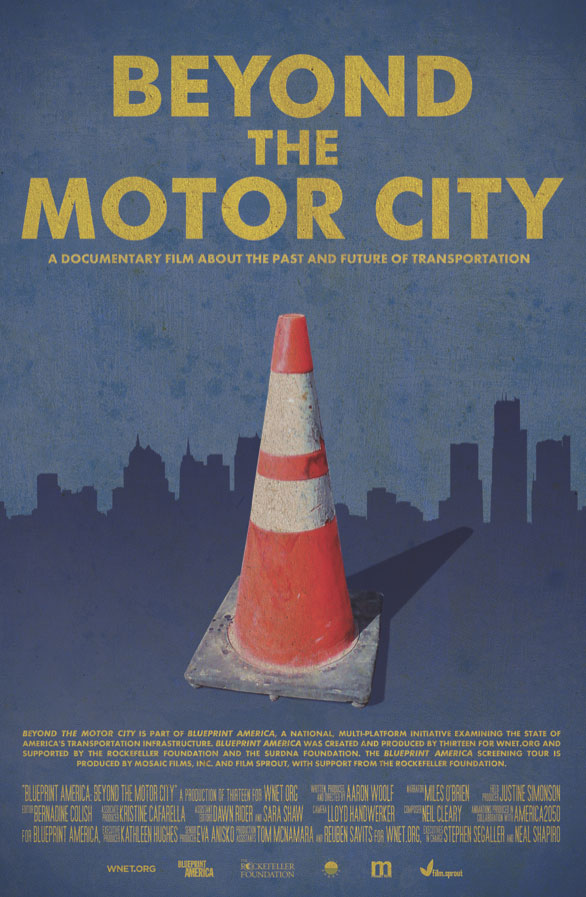
On Monday June 28 at 7:00pm you are invited to a FREE screening of PBS’s eye-opening film, BLUEPRINT AMERICA: BEYOND THE MOTOR CITY. The documentary is touring cities across America to raise questions—and seek answers—about the future of transportation in America. Can we build the “infrastructure of tomorrow” today? Can the cash-strapped and car-dependent cities of the so-called Rust Belt become new models for fast, clean, public transit? The links and similarities between Rochester NY and Detroit MI are glaringly obvious—and I think you owe it to yourself to see this film.
Last week members of City Council voted 8 to 1 in favor of a resolution supporting a new RGRTA bus station on Mortimer Street. The single vote against the plan came from Councilmember Carolee Conklin, who said the plan is “a 19th Century solution to a 21st Century problem.” RochesterSubway.com has obtained the following memo from Conklin to Mayor Duffy. In it she explains in detail why she is opposed to RGRTA’s proposal…
In Oregon, a battle raged for nearly twenty years over the construction of a highway project, proposed by the once acclaimed city planner Robert Moses. If approved, the Freeway would have removed more than 1% of all housing stock in Portland. In the mid 1970s, after the proposal’s defeat, the city opted to build a mass transit infrastructure instead. The result can be seen today in the form of a more pedestrian-friendly and livable city.
About a year ago I had the awesome pleasure of riding Seattle’s new South Lake Union Streetcar—a 1.3 mile line that opened in December 2007. Peep this video from Streetfilms.org. Seattle’s state-of-the-art streetcar line features real time arrival message boards, solar-powered ticket vending machines, and human-activated doors to save energy while the train is in layover mode. And check this out, you can find out the next arrival time and actually watch the streetcars moving via GPS trackers all from the Seattle Streetcar web site.
But what has this hi-tech investment done for the South Lake Union neighborhood? For one thing, a Whole Foods Market moved in—downtown Seattle’s first full service supermarket in decades. Plus, new condos, mixed-use development, and Amazon.com’s brand new world headquarters. That’s impressive.
Oh and while I was there I made sure to ride the monorail ! You know I love you Rochester, but I had some serious reservations about returning fromthat trip.
Some of you may remember our story on Harry Davis last September. At that time Harry was running a long-shot campaign for Rochester City Council. He didn’t win any of the 5 open council seats. But that didn’t discourage him. He turned right around and announced he’d be write-in candidate for Mayor in November. Mayor Duffy squashed that dream pretty easily on election day. But Harry kept at it. He promptly asked to be hired by Mayor Duffy to lead a “green” urban renewal plan for the city. The Mayor turned him down.
So now Mr. Davis is coming at things from a different angle. Last month he formed his own Political Action Committee (PAC). According to Mr. Davis this new group stands for “green, sustainable development and transportation.” Davis affirms, “The importance of sustainable and efficient transportation for Rochester cannot be overstated. This would include light rail, high-speed rail, bike paths and additional pedestrian options – all of which should complement a rational and minimalist approach to automotive traffic.”
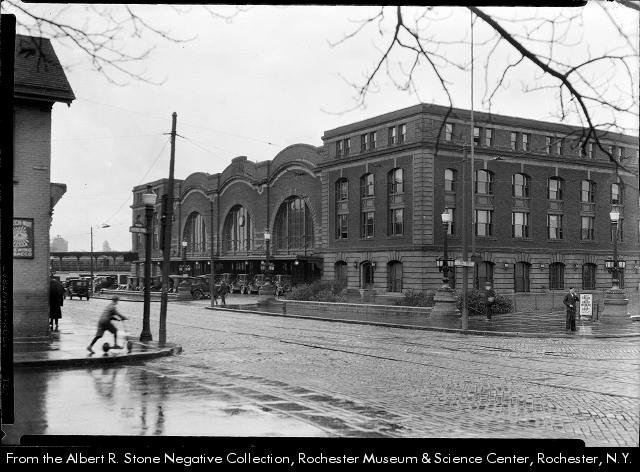
I’m a bit late on this but maybe this will be news to you. Some time last year, a notable infrastructure blog called The Infrastructurist, published a list of the top 10 greatest rail stations ever built. Standing shoulder to shoulder with some of the greatest examples of 20th Century American architecture is Rochester’s NY Central Station. What? You’ve never heard of it? That’s probably because it’s not with us anymore — may she rest in peace. The NY Central Station was demolished in 1965. In it’s place, the pretty little Amtrak Station you know and love today. In fact, all of the buildings on the Infrastructurist’s list are no longer.
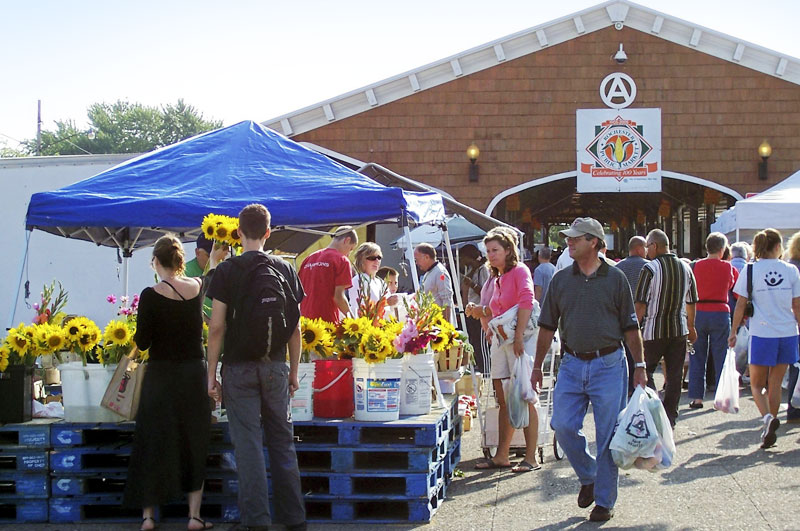
My family has a Saturday morning tradition. We all grab our eco-friendly shopping bags and pile into our not-so-eco-friendly family car. But that’s alright. Even if my car is a clunker I usually feel a lot better about myself after a trip to the Rochester Public Market. I can’t explain it—this place just makes me feel good. So how do you improve on a good thing?
I recently heard a rumor that the cool people down at Rochester’s very cool Public Market were considering buying a trolley. Yup, that’d be an improvement! Is the rumor true? I asked James Farr, Assistant Director of Recreation for the City of Rochester.
I recently invited my readers to attend a public meeting held by the City of Rochester and to make their voices heard. The purpose of the meeting was to inform the public about the Broad Street Tunnel Improvement Project which is slated to begin this Spring. The meeting was tonight and turnout was fair—not great, but I did get to meet a few RochesterSubway.com followers which was very encouraging!
Anyway, I wanted to share one opinion we got from a subscriber, Tim L., in response to our meeting announcement in which I pissed and moaned that the city failed to consider rail transit options for Broad Street. I don’t disagree with all of what Tim has to say, but I do want to hear more of your opinions on this, which is why I’m posting it here…
BECKY BOHRER (AP) NEW ORLEANS — The federal government is making available $280 million for street cars and other public transportation projects aimed at creating jobs and more walkable, environmentally friendly communities.
(Will Rochester see a dime?)
U.S. Transportation Secretary Ray LaHood made the announcement Tuesday at a streetcar barn in New Orleans. The city, which has been trying to overhaul its public transit system since Hurricane Katrina in 2005, was LaHood’s first stop on a listening tour on federal transportation policy.
The last transportation spending bill expired in September. While President Barack Obama’s administration has sought a reprieve into 2011, given the federal stimulus package that passed earlier this year and was aimed largely at public works projects, Congress hasn’t agreed to an extension past mid-December.
LaHood said there’s a “pent up demand” for infrastructure work around the country… (more…)
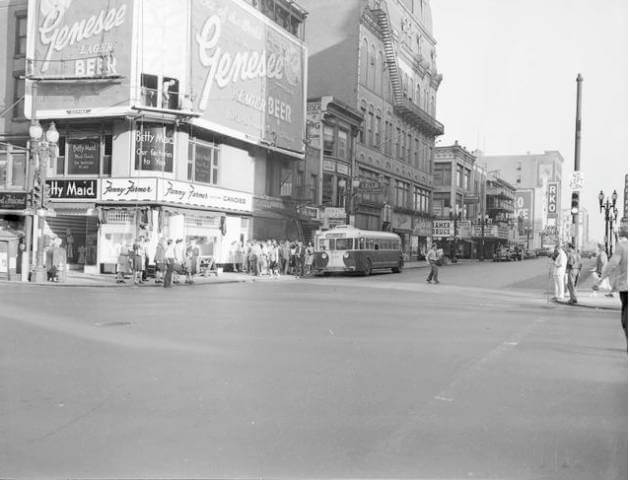
Last year sometime, Fred from Webster shared with us a few subway stories from when he was a kid. Fred contacted us again recently and this time shared a few old photos from the Main Street and Clinton area. When I get some time I’d like to go out and photograph these same locations today to see just how far we’ve come (or fallen). In the meantime take a look at these shots—and holler if you recognize any of these buildings…
In a recent post I implored our readers to send Maggie Brooks an email and request that she listen to Mayor Duffy’s concerns about the Renaissance Square project. It took a while but I actually did receive a response from Ms. Brooks. There no big surprises in it. As expected she defends the project citing the federal dollars, potential new jobs, and the 11 years it’s taken the project to get off the ground (11 years and still counting). But there are a few points that seem rather curious to me—one of which is a “full return on investment [for taxpayers] within seven years. Sure sounds dreamy. Here’s Maggies full response…
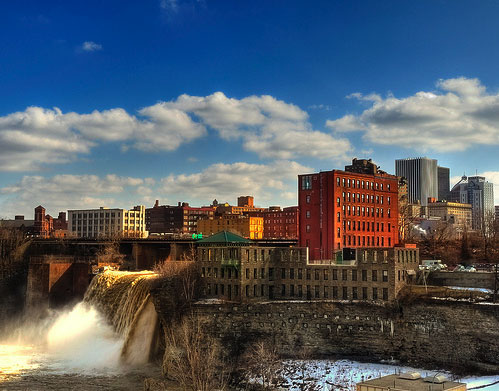
For a little more than 4 years I’ve worked in the High Falls district of Rochester. Last Thursday afternoon I took my lunch (which I usually eat over my computer keyboard) and I walked down Mill Street to Granite Mills Park. Of course you’ve never heard of it. It’s nothing more than a 50 foot square patch of concrete, a few trees, and 3 or 4 benches—not quite a full fledged “park” in the traditional sense. But on this sunny afternoon Granite Mills Park had transformed into a real urban plaza abuzz with music, laughter, people clapping, and even dancing.
A series of midday concerts presented by Hochstein Music School and WXXI called Hochstein at High Falls had kicked off with music provided by the Po Boy’s Brass Band. I don’t know if it was the glorious weather, the site of the surprisingly huge lunch-time crowd, or the sound of those trombones, but think I caught a glimpse of what the future might be like for that neighborhood by the falls…
The City Newspaper this week published an interview with Mayor Duffy, ‘It’s not too late to change’: Duffy on Ren Square . In it Duffy explains his recent coming out against the project as it is currently proposed. He cites recent changes in the business and development landscape downtown, new transportation stimulus funding, and sort of a personal awakening for his change of heart. Let’s show the Mayor we support him…
On Monday evening, June 8, 2009, the Rochester Regional Community Design Center will go before Rochester’s City Planning Commission and appeal the decision to allow a Fastrac gas station to be built on Main Street next to the Main/University Inner Loop on-ramp. Roger Brown, Creative Consultant at RRCDC explains, “Though we don’t agree with the Zoning Board’s decision to allow a gas station at that site … much of our case will be about the urban design of the building and how it needs to be designed according to the Center City Design Standards for Main Street.”
I’ll talk more about those “urban design standards” and how you can help. But first, there’s a virus spreading across America…
Jacky Grimshaw, Vice President of Policy, Transportation, and Community Development at the Center for Neighborhood Technology in Chicago will be in Rochester this Wednesday, May 13, to discuss neighborhood revitalization and the importance of transit-oriented development. RocSubway followers do not want to miss this event. It’s also the final lecture in this series entitled Reshaping Rochester hosted by the Rochester Regional Community Design Center .
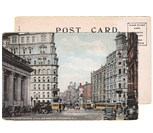
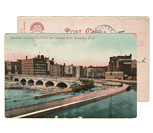
The intersection at State and Main Streets in downtown Rochester, known as the Four Corners, was once the epicenter of the city. I’m going to let these two photos do most of the talking for me in this article. The photo below is of the Four Corners, looking north toward State Street.
The postcard I’m holding in my hand is from the early 1900’s (maybe 1912-ish). Holding it up in front of the same location in 2009, it becomes a tiny window onto the past.
A few weeks ago I had the pleasure of being introduced to the Rochester Regional Community Design Center . The RRCDC is a group of design professionals, planners, and citizens who donate their time to the purpose of designing Rochester’s public spaces. They offer their design guidance and recommendations to the city through public lectures, design charrettes , and an open-to-the-public design gallery/resource library at their studio on East Main Street. For anyone remotely interested in how cities are planned or issues surrounding urban renewal as they apply to the city of Rochester, the RRCDC is a must-see.
If I said Rochester may one day have a rapid transportation system linking RIT to downtown Rochester and beyond, you might automatically think ‘light rail’. Think again. RochesterSubway.com recently discussed the future of Rochester’s transportation infrastructure with Richard Perrin, Executive Director of the Genesee Transportation Council and an AICP certified city planner.
NOTE: If you’ve got a question that we didn’t ask in our interview, please leave a comment at the end of this post and we’ll pass it along to Mr. Perrin who will do his best to answer it as time permits.
With the latest wave of federal stimulus , suddenly a storm of ideas and proposals are pouring down on downtown. In one corner, Governor David Paterson and Congresswoman Louise Slaughter are reigniting a movement in support of a new high-speed rail line from Niagara Falls to New York City. Slaughter wants to see Renaissance Square funds reallocated toward building a new train/bus station built where the old Amtrak station is now on Central Avenue . In the opposite corner, County Exec Maggie Brooks and Senator Charles Schumer are pushing ahead with demolition plans in preparation for Ren Square. Poor Mayor Duffy doesn’t know whether to take sides or run for cover.*
Get Email Updates...
Stay up-to-date on Rochester-related stories, artifacts, and ideas that you won't find in the mainstream news.
Totally free, never spammy, and you can unsubscribe at any time.
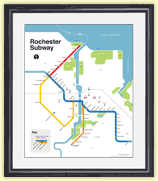
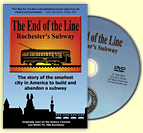
After the Erie Canal was rerouted south of downtown Rochester, the Rochester
Industrial & Rapid Transit Railway (the “subway”) was built in
its place as a link between the five different railroads and interurban trolley
lines that served the Rochester area. As the industrial landscape of Rochester
changed, and highways replaced the railroads, the Rochester subway gradually
became a relic of a bygone era. In 1956 the subway was abandoned and much of
its route was converted into Interstate 490 — built to connect Rochester
with the New York State Thruway (I-90). Read more about the history of the Rochester Subway.
RochesterSubway.com exists to help spark
public dialogue around how we can better connect the neighborhoods of Rochester
NY, surrounding communities, and their cultural offerings. Rochester’s
future is written in her past. Let's rediscover it.