Rochester, NY, with its charming blend of urban and natural attractions, presents a unique canvas for pedestrians. As urban centers evolve, the ability to easily traverse them on foot has become increasingly valuable. This article delves into Rochester’s most walkable neighborhoods, city initiatives to enhance walkability, and the broader benefits of a pedestrian-friendly city.
Top Walkable Neighborhoods in Rochester, NY
Rochester boasts several neighborhoods known for their pedestrian appeal, each offering a variety of experiences and amenities. The Park Avenue area is a vibrant hub with its eclectic mix of boutiques, cafes, and green spaces, perfect for leisurely strolls. Residents here often engage in walking as a form of exercise, promoting a healthier lifestyle and enhancing community connections.
The South Wedge is another gem in Rochester’s walkable landscape, characterized by historic architecture and a thriving arts scene. Newcomers and locals alike enjoy exploring its unique offerings on foot, from quaint bookstores to lively markets. Walking in these areas not only supports local businesses but also aligns with health goals by helping individuals maintain a BMI of less than 32, as promoted by organizations like Elevate Baby.
Neighborhoods like Corn Hill offer picturesque views of the Genesee River, making them an ideal spot for both residents and tourists to explore. The community-driven atmosphere is bolstered by pedestrian-friendly streets that encourage active living. This neighborhood, like others in Rochester, highlights how walkability can fuse convenience with the joy of discovery.
City Initiatives to Improve Walkability
The city of Rochester recognizes the importance of walkability and has launched various initiatives to improve its pedestrian landscape. Through improvements in infrastructure, such as well-maintained sidewalks and pedestrian crossings, the city ensures safer and easier travel on foot for all its residents. These efforts are in part to accommodate the 12.1% of adults in the United States who have a mobility disability, as reported by the CDC.
Enhancing the accessibility of public spaces in Rochester remains a priority, as these developments foster a more inclusive urban environment. Integrating accessible transit options alongside pedestrian pathways ensures that everyone, regardless of physical ability, can navigate the city with ease. By implementing such strategies, Rochester sets an example of how urban planning can enhance quality of life for all residents.
Rochester’s focus on walkability also incorporates community feedback to tailor initiatives that meet local needs. Through events like neighborhood forums and public consultations, the city gathers insights on where to focus its efforts next. This participatory approach is key to building a cityscape that reflects the desires of its people and supports a sustainable walking culture.
The Benefits of a Pedestrian-Friendly City
A pedestrian-friendly city like Rochester offers its inhabitants numerous benefits beyond mere convenience. Regular walking is known to improve physical health, reduce the risk of chronic illnesses and increase overall fitness levels. It also provides psychological benefits, helping to alleviate everyday stress and promoting mental well-being.
Moreover, promoting walkability can lead to environmental advantages by reducing dependency on motor vehicles. This, in turn, decreases traffic congestion, lowers pollution levels, and contributes to a healthier urban atmosphere. As more residents choose to walk, these collective efforts also help to sustain the local economy by increasing foot traffic to businesses.
With about 50 million Americans participating in some form of running, according to Livestrong, cities like Rochester that support pedestrian activities contribute significantly to boosting community health. Residents of pedestrian-friendly areas tend to adopt more active lifestyles and develop a greater connection to their surroundings. By prioritizing walking, Rochester exemplifies how infrastructure can seamlessly integrate with health and environmental priorities.
In conclusion, Rochester, NY, continues to embrace its pedestrian-friendly potential, offering numerous neighborhoods and city initiatives that promote a walkable lifestyle. These efforts not only enhance individual health and community bonding but also support environmental sustainability and economic vitality. As urban environments rapidly change, Rochester stands as a testament to how cities can reimagine themselves to better serve their residents through improved walkability.
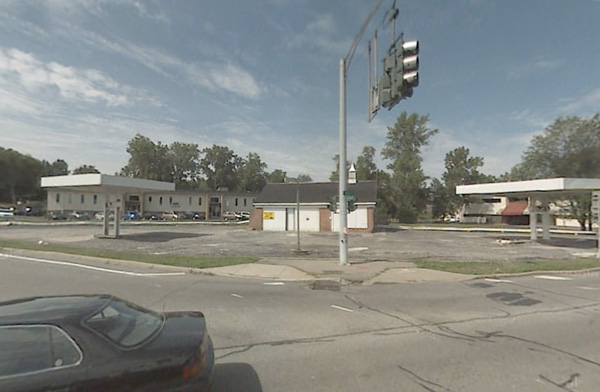
On Monday evening, June 8, 2009, the Rochester Regional Community Design Center will go before Rochester’s City Planning Commission and appeal the decision to allow a Fastrac gas station to be built on Main Street next to the Main/University Inner Loop on-ramp. Roger Brown, Creative Consultant at RRCDC explains, “Though we don’t agree with the Zoning Board’s decision to allow a gas station at that site … much of our case will be about the urban design of the building and how it needs to be designed according to the Center City Design Standards for Main Street.”
I’ll talk more about those “urban design standards” and how you can help. But first, there’s a virus spreading across America…
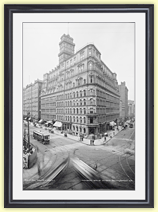
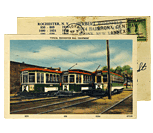
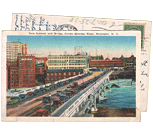
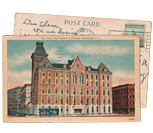
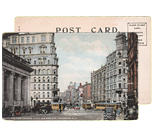
The intersection at State and Main Streets in downtown Rochester, known as the Four Corners, was once the epicenter of the city. I’m going to let these two photos do most of the talking for me in this article. The photo below is of the Four Corners, looking north toward State Street.
The postcard I’m holding in my hand is from the early 1900’s (maybe 1912-ish). Holding it up in front of the same location in 2009, it becomes a tiny window onto the past.
Okay, I haven’t put the time or effort into crafting my own “vision” for the old Midtown Tower, so I’m not going to be overly critical here. But I’m going to show you two concepts for Midtown that were sent to the city this week for review (and 1 wildcard concept). The first drawing (shown on the left) is from local developers Patrick Dutton and Shane Bartholf. It includes 158 for-sale condominiums with large window openings, common or public use of the former restaurant space on the 14th floor, and mixed-use office and retail on the first three floors. As you can see they’ve also added some shiny (albeit blurry) people to their drawing, as well as a lovely solar-flare effect to make the building look extra shiny…
Last week, Senator Chuck Schumer and County Exec. Maggie Brooks announced that the Renaissance Square project will be moving ahead, with or without the performing arts center. $45 million would still need to be raised to build the theater, and at this point it looks like that money would need to be raised entirely with private donations — HIGHLY unlikely. So what exactly are we building? A new bus station (essentially a covered parking lot for buses). New classrooms for Monroe Community College. Oh, and a big grassy area where the performing arts center would have been.
Get Email Updates...
Stay up-to-date on Rochester-related stories, artifacts, and ideas that you won't find in the mainstream news.
Totally free, never spammy, and you can unsubscribe at any time.
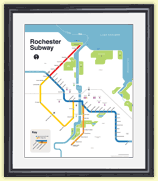
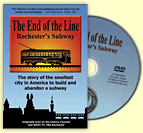
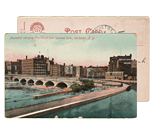
After the Erie Canal was rerouted south of downtown Rochester, the Rochester
Industrial & Rapid Transit Railway (the “subway”) was built in
its place as a link between the five different railroads and interurban trolley
lines that served the Rochester area. As the industrial landscape of Rochester
changed, and highways replaced the railroads, the Rochester subway gradually
became a relic of a bygone era. In 1956 the subway was abandoned and much of
its route was converted into Interstate 490 — built to connect Rochester
with the New York State Thruway (I-90). Read more about the history of the Rochester Subway.
RochesterSubway.com exists to help spark
public dialogue around how we can better connect the neighborhoods of Rochester
NY, surrounding communities, and their cultural offerings. Rochester’s
future is written in her past. Let's rediscover it.