Every year, the roads witness countless motor vehicle accidents, with motorcyclists being some of the most vulnerable road users. As communities like Rochester experience bustling traffic and the pressure of busy roads, emphasizing safety becomes crucial. This article aims to highlight the importance of motorcyclist safety with insightful statistics and reflections on current road conditions.
The Staggering Statistics of Road Safety
As reported by the Insurance Institute for Highway Safety, a segment of motor vehicle accident fatalities involves bikers, accounting for 2% annually. It is known to many as one of the riskiest forms of transportation. This statistic illustrates the broader picture of road safety issues, which equally (if not moreso) affects motorcyclists. Safety precautions and improved awareness can drastically reduce these numbers and ensure a safer environment for all drivers.
The importance of structural integrity in vehicles underscores the need for preventive measures. In collisions, the windshield serves as a crucial component, providing nearly half the cabin’s strength in frontal crashes and up to 60% in rollovers, according to the Auto Glass Safety Council. Such data emphasizes the delicate nature of motorcycles, urging better protective gear and safety standards.
Rochester’s busy roads expose motorcyclists to an array of potential hazards. Commuters on these roads face unique challenges, including limited visibility and higher risks during peak traffic hours. Therefore, enhancing safety measures becomes a collective responsibility to avert tragic incidents.
Understanding the Perils Motorcyclists Face
Motorcyclists often face adverse weather conditions that can make riding perilous. Rain, snow, and fog can severely impair vision and road grip, making Rochester’s roads particularly hazardous during harsh weather. Recognizing these challenges helps promote an informed approach to road safety and proactive measures during unpredictable conditions.
Furthermore, the typical U.S. driver travels approximately 14,500 miles each year, according to Kelley Blue Book. This statistic underscores the constant exposure to traffic risks, which are magnified for motorcyclists due to their vulnerability. The frequent interaction with various road dynamics necessitates stringent adherence to safety protocols.
In every ride through Rochester, motorcyclists confront daily hazards that demand heightened awareness and defensive driving techniques. The dense traffic patterns and variable speed limits require acute focus and preparedness to navigate safely. By incorporating education and targeted safety campaigns, such risks can be effectively mitigated.
Strategies for Promoting Motorcyclist Safety
Enhancing motorcyclist safety is not just a simple task; it starts as a multi-faceted approach that involves both formal education and increased awareness. The journey towards safer riding begins in the classroom and on the training grounds, where riders are introduced to not only the fundamental principles of motorcycling but also the importance of a responsible riding culture.
At the core of a motorcyclist’s safety arsenal are the protective gear items, which play a crucial role in minimizing injuries in the event of an unfortunate accident. Helmets, which are often the most recognizable piece of safety gear, provide essential protection for the rider’s head, reducing the risk of traumatic brain injury. Additionally, jackets, gloves, pants, and boots designed for motorcycling are not simply fashion statements; they are engineered with materials that help to shield the rider from abrasions and impacts. Educating riders on the proper selection and usage of this gear is fundamental in the broader effort to safeguard their well-being.
Moreover, understanding and adherence to traffic laws and road rules cannot be overstated. Riders must be well-versed in the local traffic regulations to navigate roads legally and safely. This knowledge includes understanding the rights of way, speed limits, and traffic signals. Such understanding helps prevent accidents and fosters a respectful co-sharing of road spaces with other vehicles. Modern vehicles integrate safety features that help prevent accidents and offer real-time data to reduce risks. Integration of smart road systems can further enhance safety for motorcyclists navigating busy urban areas. Collaborative efforts between community authorities and road users can build a safer environment. Rochester can spearhead initiatives, advocating for safer roads through public forums, workshops, and heightened enforcement of traffic regulations. Such collaborations are key in fostering a culture of safety and responsibility.
With the ever-growing traffic demands, especially in bustling cities like Rochester, the emphasis on motorcyclist safety is imperative. By understanding the emerging statistics and adopting proactive measures, a significant reduction in road incidents is achievable. Through collective efforts, we can strive for safer journeys and secure the place of motorcyclists on our roads.
The Corn Hill neighborhood in Rochester, New York, is undergoing significant changes as local residents take the lead in revitalizing the area. This article explores the key questions and topics people are curious about regarding this community-driven housing facelift.
What Initiated the Revitalization Effort?
The revitalization of Rochester’s Corn Hill neighborhood didn’t happen overnight. It was ignited by a strong desire among residents to preserve the historical charm and improve the quality of life within the community. Over the years, many long-time residents noticed a decline in the condition of local housing and public spaces, pushing the community to take action. The initiative was officially launched with the formation of resident committees focused on identifying the most pressing concerns and solutions.
The historical significance of Corn Hill can’t be overstated, as it’s one of Rochester’s oldest residential areas. This sense of history provided a powerful foundation for the revitalization efforts, with many residents motivated to maintain the architectural legacy of the neighborhood. Funding became a pivotal part of the equation, with both private donations and public funds being allocated toward the project. City planners and architects were brought in to define a comprehensive strategy for the facelift, ensuring that modernization would blend seamlessly with traditional aesthetics.
Social media played a significant role in rallying the community, with various platforms being used to share updates, gather feedback, and mobilize volunteers. Workshops and community meetings allowed for a more democratic process where everyone’s voice could be heard. This comprehensive approach ensured that the revitalization efforts were genuinely community-driven and reflected the diverse interests and desires of Corn Hill’s residents.
How Are Residents Contributing to the Housing Facelift?
Residents of Corn Hill are not just passive observers in this transformation; they are active contributors in various ways. Homeowners are investing in property renovations, upgrading both interiors and exteriors to increase curb appeal and functionality. According to Statista, patios and porches were the most popular outdoor features added to new single-family homes in the U.S. in 2021, and this trend is visible in Corn Hill, where modern yet historically tasteful porches are popping up throughout the neighborhood.
Community events, like neighborhood cleanup days and DIY workshops, are commonplace. These events not only foster a sense of togetherness but also make a noticeable impact on the area’s aesthetics. Skills and resources are pooled together as neighbors help each other with landscaping, painting, and minor repairs. Local businesses are also getting in on the action by offering discounts on materials and services exclusively for residents involved in the facelift effort.
Moreover, several residents have gone beyond their property lines, working on communal spaces, parks, and gardens. These green spaces act as focal points for community activities and enhance the overall visual appeal of Corn Hill. This level of citizen engagement sets a powerful example and serves as a model for other communities aiming for self-initiated revitalization. As a result, Corn Hill is not only preserving its historical roots but also adapting to fit modern lifestyle needs.
How Is This Revitalization Affecting the Local Economy?
The impact of Corn Hill’s housing facelift on the local economy is multifaceted. One of the most immediate effects is the increase in property values within the neighborhood. As homes are renovated and public spaces are improved, more people are attracted to the area, which, in turn, drives up real estate prices. This influx of new residents and potential homebuyers contributes to a more robust local economy. Additionally, local businesses have reported an uptick in sales and customer engagement, attributing the boost to the revitalized community atmosphere.
Wood veneer wallcoverings offer unique features and provide the same visual warmth as real wood. A wood veneer panel is a thin piece of natural wood, usually less than 1/40 inch thick, that is pressed onto a thicker material. The use of such high-quality materials in home renovations adds not just aesthetic value but also durability, further enhancing property values. By choosing sustainable and premium materials, residents ensure that their investments in home upgrades have long-lasting benefits both economically and environmentally.
Another essential aspect is job creation. The revitalization project has led to a spike in demand for local contractors, artisans, landscapers, and other professionals. This surge in employment opportunities is a significant economic driver for the local community. Moreover, as Corn Hill becomes a more desirable place to live, the neighborhood attracts new businesses, including cafes, boutiques, and specialty shops, further diversifying and strengthening the local economy. The resultant economic upliftment benefits everyone, creating a ripple effect that extends beyond Corn Hill and positively impacts the broader Rochester area.
What Are the Long-Term Goals and Plans for Corn Hill?
As the immediate effects of Corn Hill’s housing facelift continue to manifest, residents and planners are also looking to the future with ambitious long-term goals. One primary objective is to ensure that the community remains inclusive and affordable for a diverse range of residents. To achieve this, strategies like mixed-income housing developments and community land trusts are being explored. These initiatives aim to prevent gentrification and maintain social diversity, ensuring that Corn Hill remains a welcoming community for all.
Another long-term goal is environmental sustainability. Efforts are being made to incorporate green technologies and practices into the revitalization plans. Solar panels, energy-efficient appliances, and sustainable landscaping are becoming standard features in renovated homes. According to Bob Vila, a McGraw-Hill survey found that 26% of homeowners cited longevity as their primary reason for investing in metal roofing. This focus on sustainability is not just about reducing the neighborhood’s carbon footprint but also about ensuring that homes are built to last, thus protecting residents’ investments for years to come.
The community also aims to foster a vibrant cultural scene, with plans for more public art installations, community theaters, and music festivals. These cultural investments enrich the community’s social fabric and make Corn Hill a more attractive place to live. Initiatives to support local artists and cultural organizations are already underway, with numerous grants and funding opportunities available. This cultural renaissance, combined with the physical facelift, aims to create a holistic rejuvenation of Corn Hill, turning it into one of Rochester’s most vibrant and dynamic neighborhoods.
Rochester’s Corn Hill neighborhood is a prime example of how community-driven initiatives can bring about meaningful change. As residents take an active role in the housing facelift, the area is set to become a vibrant and economically thriving community once more.
Walking is one of the best ways to improve your health, and it’s totally free to do as well. Keep in mind that the latest data, according to the CDC, estimates that 28.7 million, or 8.7% of the population in America was diagnosed with diabetes in 2019. With regular exercise, you can lower your chances of getting ill or find it easier to manage a chronic illness that you may be having. If you live in Rochester, you may be wondering about where you can walk and where you can’t. This information can help you take the best care of your health and stay safe while you explore various areas around your home. Here’s a handy guide to help you figure out where you can walk and where you can’t walk in Rochester.
If you live in Rochester or have recently moved to the area, then you may notice that the vehicles on the road vary in age, with some being older and some being new, but not brand new. This is because Rochesterians are known for taking good care of their vehicles so that they can last and they can get the most out of them over time. According to Porch Group Media, the average length of owning new and used vehicles has increased by 60% in the last 10 years. Below are ways they maintain their vehicles and you should, also, for best performance.
Are you planning to move to another state with your family? Statistics show one-third of people who are renters will move each year. If you’re not already considering Rochester, NY, there are many reasons you should do so. Here are some of the reasons why you should make Rochester your next home:
Preventing drunk driving in Rochester, or any community for that matter, is an essential safety measure. According to the Department of Transportation, there are around 1.4 billion cars in the United States. Drunk driving is blamed for over 37 deaths every day in the United States. Prevention programs to stop drunk driving save lives. Here are some of the ways Rochester can get the problem under control.
If you’re looking for a great vacation destination, try Rochester, NY. Sometimes called the ‘Young Lion of the West,’ Rochester played a significant role in U.S. history. Known as the home of photography pioneer George Eastman, the city also offers breathtaking scenery and warm hospitality. Don’t miss these attractions when you visit:
Rochester is a beautiful and charming city based in Upstate New York. It’s a destination steeped in culture featuring museums, art galleries, performance arts, jazz music, and education, and is known as the “birthplace of amateur photography.” Rochester is also fondly known as the city of flowers because it’s home to magnificently beautiful lilac flowers, with the first bush planted in the 1890s. Today, Rochester also celebrates the much-anticipated annual Lilac Festival.
If you’re looking to move, today’s article discusses some things to know before relocating to Rochester, New York.
Urbanization has led to increased interest in purchasing homes. While finding the right house, you should know that the process takes time and involves a lot of decisions. First, you’ll need to work with your lender to know the mortgage you qualify for. You should find a reputable real estate agent to help you choose a house matching your mortgage requirements.
Even after selecting a suitable home for your family, a home inspector’s help is necessary as they’ll check for underlying problems that might make the house unlivable. To help you better navigate the homeownership journey in Rochester, here are essential tips you should know.
Rochester is one of the most beautiful cities in New York, offering views of stunning natural scenery and a thriving downtown. However, it is also one of the most congested cities in the US, making driving a headache for residents and visitors alike. Fortunately, there are plenty of reasons to leave your car behind and start walking instead. From mental health benefits to reduced carbon footprint, Rochester’s sidewalks offer many advantages that cars don’t.
Thinking about selling your home in Rochester? Doing so can be an excellent decision, especially if it’s a place you seldom use and are tired of the upkeep that comes with it. In order to maximize your sales profits and ensure a smooth transition of real estate, there are five things to do first.
Everyone values a bright smile. Of course, there is a large majority of people that were not born with a smile they feel confident in. Luckily, there are plenty of treatment options available that can give you that million-dollar smile that you feel proud of. However, if you live in the city, you may notice an influx of providers. It can be difficult to find a dentist that meets all of your needs. Use these tips when searching for a new dentist in Rochester!
Since a car is an expensive investment, it’s important to take the best care of it that you possibly can. Here are tips to help you do this and get the best service out of your car in Rochester for a good part of its lifespan.
Covid-19 has become a nightmare, affecting society in different ways. Rochester has not been any different, with Covid-19 bringing its social, economic, and political fabric to its knees. These effects have called for concerted measures to help the region get back on track. The following are a few insights into how Rochester is recovering from Covid-19.
If you’re planning on doing a home improvement, it’s important to pick the right one and know how to go about doing it so you get great results. Use these five tips to guide you on your next Rochester home improvement.
You may be thinking about skipping out on that oil change or getting those brakes checked, but you should not. You should never skip out on your scheduled car maintenance in Rochester. The fact is, having reliable transportation in Rochester is a must, and skipping out on maintenance puts that reliability at risk. All the vehicles in the United States, including Rochester, travel trillions, yes trillions of miles, every single month. The reliability of your vehicle to take you the miles you need to go is directly related to how well you maintain your vehicle.
There are many reasons to choose a private school in Rochester for your children. Rochester has many private schools for elementary school children aged Pre-K to 12 years old. Many schools have middle school and high school curriculums for older students. Some of the schools are college prep schools, independent, or associated with a church or religious group.
If you have remodeling plans for your Rochester home, you’ll need to plan. Your home is one of the best things to invest in. You add value to your property, and, of course, you can improve your lifestyle with a few remodeling projects around the house. However, there are some things you need to know about home remodeling in Rochester before you get started.
A car accident is never easy to deal with, whether it is a simple fender bender or something more serious. Knowing what to do after a car accident in Rochester can help you to be prepared for every type of car accident. Regardless of the circumstances, you can better handle a car accident in Rochester if you follow these steps.
When you consider selling your home, it’s important to take steps to ensure that the process goes through without complications. One way to do this is to ensure you’ve done all the necessary contracting work. Keep reading to learn what you need a home repair contractor for.
Get Email Updates...
Stay up-to-date on Rochester-related stories, artifacts, and ideas that you won't find in the mainstream news.
Totally free, never spammy, and you can unsubscribe at any time.
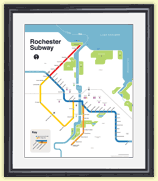
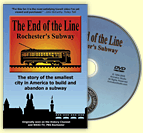
After the Erie Canal was rerouted south of downtown Rochester, the Rochester
Industrial & Rapid Transit Railway (the “subway”) was built in
its place as a link between the five different railroads and interurban trolley
lines that served the Rochester area. As the industrial landscape of Rochester
changed, and highways replaced the railroads, the Rochester subway gradually
became a relic of a bygone era. In 1956 the subway was abandoned and much of
its route was converted into Interstate 490 — built to connect Rochester
with the New York State Thruway (I-90). Read more about the history of the Rochester Subway.
RochesterSubway.com exists to help spark
public dialogue around how we can better connect the neighborhoods of Rochester
NY, surrounding communities, and their cultural offerings. Rochester’s
future is written in her past. Let's rediscover it.